 Skip to main content
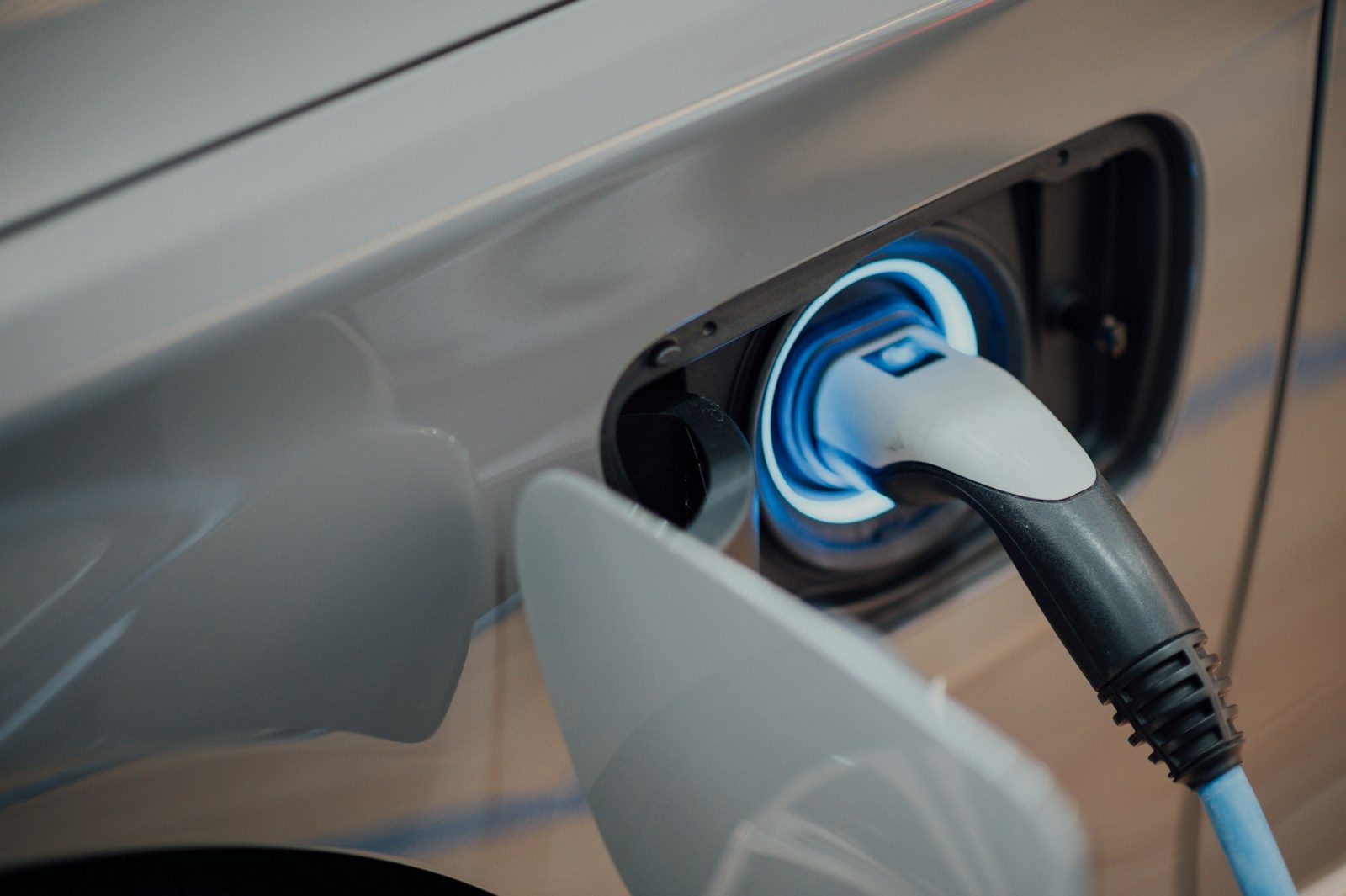
Shenzhen-based BYD launched the Racco, an all-electric kei car developed for Japan, on 28 July, becoming the first foreign automaker to enter the country's kei car market. Prices start at JPY 2,145,000 including tax, and higher trims offer a WLTC range of 320 km.
Overview
On 28 July 2026, BYD, the Chinese automotive and battery group headquartered in Shenzhen, launched the Racco, an all-electric kei car developed specifically for the Japanese market. It is the first time a foreign automaker has entered Japan's kei car segment, a vehicle class unique to the country.
Including tax, the "200" grade with a 22.4 kWh lithium iron phosphate (LFP) battery is priced at JPY 2,145,000 (WLTC range 210 km), while the "300 Plus" and "300 Premium" grades with a 35.84 kWh battery cost JPY 2,398,000 and JPY 2,497,000 respectively (both with a range of 320 km). BYD says the Racco is the first kei EV in Japan with a range above 300 km. With a JPY 150,000 government subsidy, the entry model falls below JPY 2 million.
Background
BYD announced its entry into Japan's passenger car market in July 2022 and began selling the ATTO 3 SUV in January 2023. In January 2026 it said it would add hybrid versions of the ATTO 2 and SEAL 6, bringing its Japanese passenger car line-up to eight models. A prototype of the Racco was first shown at the Japan Mobility Show in October 2025, with a launch promised for summer 2026. BYD says the model was built for overseas markets and has not announced plans to sell it in China.
Kei cars account for nearly 40% of new vehicle sales in Japan. According to Bloomberg Intelligence, Suzuki, Daihatsu and Honda together hold about 80% of the segment. Among kei EVs, the Nissan Sakura (about JPY 2.44 million, 180 km range) is the best-selling EV in Japan, and Honda's N-ONE e: (about JPY 2.7 million) is also on sale.
Key Points
- Powertrain: single motor, front-wheel drive; maximum output 47 kW and peak torque 160 Nm; DC fast charging up to 50 kW.
- Body: 3,395 mm long, 1,475 mm wide and 1,800 mm tall, in a "super-high roof" style; wheelbase 2,520 mm, minimum turning radius 4.8 m, four seats. Cargo space is 280 litres, rising to 1,372 litres with the rear seats folded.
- Equipment: 10.1-inch central screen, Level 2 driver assistance, vehicle-to-load (V2L) power output, heated seats and steering wheel, NFC phone key and battery preconditioning, plus power sliding doors that can be opened with a kick sensor.
- Sales network: BYD plans small showrooms displaying one or two models in regional cities with fewer than 500,000 residents, to reach rural customers.
- Orders and targets: according to the industry information service MarkLines, orders were reported to have exceeded 700 units within several days of launch, and BYD is targeting 10,000 orders by the end of 2026. Development reportedly took about two and a half years.
Implications for Japan-Shenzhen Exchange
Kei cars have evolved in line with Japan's own regulations and living conditions. The fact that a Shenzhen-based manufacturer has introduced a dedicated model in this segment is drawing attention as a new stage in Chinese companies' localisation in Japan. Japanese consumers gain more choice in kei EVs, while Japanese automakers and parts and dealership businesses are likely to see the Racco as a new benchmark for pricing, equipment and sales networks.
Building a network of small regional showrooms and after-sales service could also create opportunities for cooperation with local Japanese sales and maintenance businesses. How competition and cooperation between Japanese and Chinese companies in batteries and electrification evolve is also attracting interest.
Outlook
Key points to watch include whether the order target is met, the car's real price competitiveness after subsidies, and the expansion of its regional sales and service network. Some reports note that the Racco qualifies for a smaller subsidy than certain other kei EVs, so sales trends remain to be seen.
From the Association
The Association will continue to follow Shenzhen companies' business development in the Japanese market and their engagement with Japanese companies, and will strive to provide information and opportunities for exchange that deepen mutual understanding.
Sources
This article is based on publicly available information and is provided for reference only; accuracy and completeness are not guaranteed.