 Skip to main content

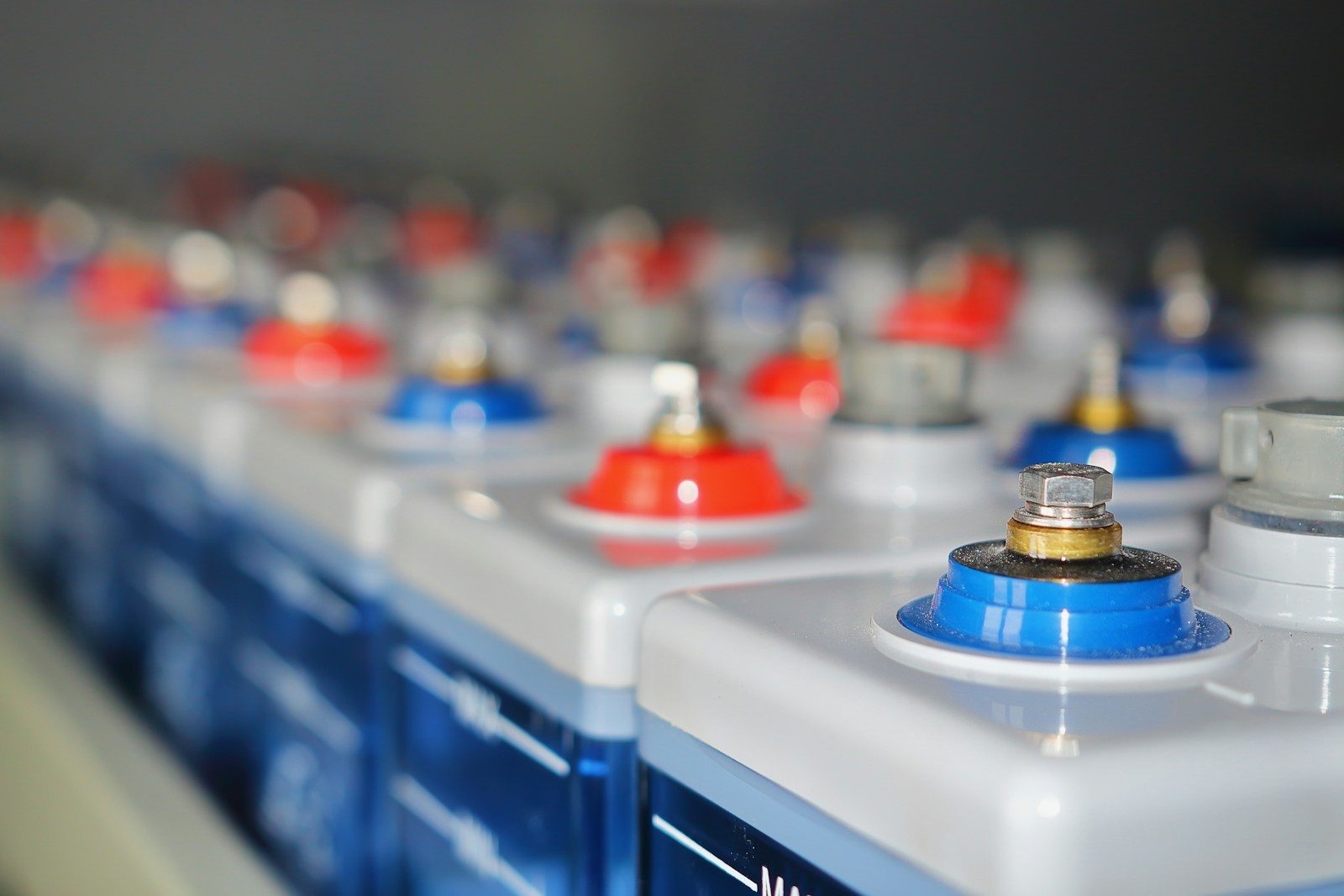
The 18th China International Battery Fair (CIBF2026) opened at the Shenzhen World Exhibition and Convention Center on May 13. Some 3,200 exhibitors filled 280,000 square metres, with companies such as CATL and BYD showing solid-state, sodium-ion and fast-charging technologies.
Overview
On May 13, 2026, the 18th China International Battery Fair and technology exchange conference (CIBF2026) opened at the Shenzhen World Exhibition and Convention Center in Bao'an District, running for three days until May 15. The event is organised by the China Chemical and Physical Power Source Industry Association under the theme "Linking the globe, empowering green, driving the future".
According to China Daily and Shenzhen News Network, the fair covered more than 280,000 square metres across 14 themed halls, with about 3,200 exhibitors from China and abroad. More than 2,000 experts, scholars and company representatives were expected at its forums, and organisers anticipated over 350,000 professional visitors from more than 90 countries and regions. The organisers describe it as one of the world's largest battery industry events.
Background
CIBF has become an established platform for technical exchange and business deals in the battery industry, bringing companies from across the supply chain to Shenzhen. The year 2026 is the first of China's 15th Five-Year Plan period, which lists new types of batteries among the priority emerging industries.
According to industry data cited by China Daily, China's battery exports reached US$82.279 billion in 2025, up 22.8%, of which lithium-ion batteries accounted for US$76.746 billion, up 25.55%. Driven by demand for electric vehicles and energy storage, batteries have become one of the pillars of China's exports. In Shenzhen, output of lithium-ion batteries rose 25.9% year on year in the first quarter.
Key points
- Leading companies: CATL presented products based on a new materials system and an all-scenario charging ecosystem. BYD showed its second-generation Blade battery and flash-charging technology. EVE Energy unveiled new battery technology for commercial vehicles, and Sunwoda displayed energy storage solutions for a range of uses.
- Next-generation technology: Solid-state, sodium-ion and flow batteries were on display. A "disruptive technology experience zone" featured solid electrolyte research and dry-electrode equipment.
- Supply chain: Equipment and materials firms such as Lead Intelligent and Tinci Materials also exhibited. Halls were organised by segment, including batteries and storage, raw materials and components, and manufacturing and testing equipment, with an international hall for overseas grid operators and energy developers.
- Forums: Sessions covered battery safety and testing, solid-state batteries, high-power charging, sodium-ion batteries, carbon footprint management, AI for batteries and digital-twin manufacturing. An electric aviation battery forum and the 3rd International Battery Passport Conference were also held.
- Industry recommendations: Wang Zeshen, secretary-general of the association, called for a shift from price competition to value competition, alignment with international rules through green standards, and a collaborative industry ecosystem.
What it means for Japan–Shenzhen exchange
The reports do not specifically mention Japanese exhibitors, but battery materials, components, manufacturing equipment and testing instruments are fields in which Japanese companies have long built up expertise. Battery makers and their supply chains are concentrated in South China around Shenzhen, and developments in next-generation technologies such as solid-state and sodium-ion batteries appear to be important information for related Japanese companies as well. Shenzhen-based BYD also sells electric vehicles in Japan, where it sold 3,731 units in 2025, so there is interest in how advances in battery technology will be reflected in products for the Japanese market.
Topics such as carbon footprint management and battery passports relate to regulatory requirements in markets including Europe, and they are challenges shared by Japanese and Chinese companies alike. How international standard-setting and technical exchange progress in these areas is attracting attention.
Outlook
After the fair closed, the organisers said cumulative attendance over the three days exceeded 400,000. The industry is expected to gather in Shenzhen again in 2027, but the exact dates of the next edition have not been reported.
From the Association
The Association will continue to follow developments in Shenzhen's battery and new energy industries. We will keep working to provide a platform where companies from Japan and Shenzhen can exchange information on technology and markets.
Sources
This article is based on publicly available information and is provided for reference only; accuracy and completeness are not guaranteed.